
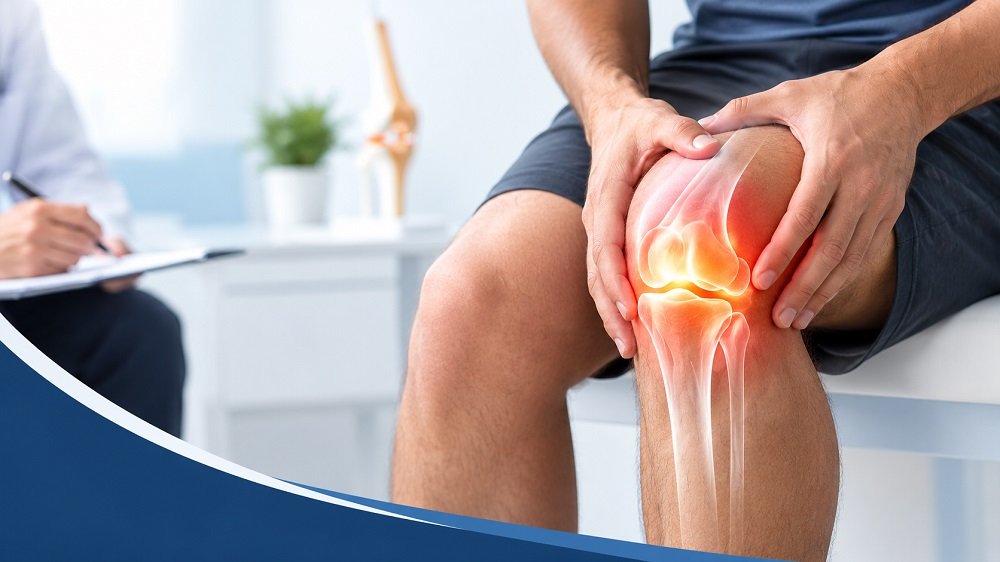
Joint pain, stiffness, and difficulty moving comfortably can affect everyday activities such as walking, climbing stairs, getting dressed, or holding objects. Sometimes, these symptoms develop gradually and are ignored until they begin interfering with daily life. One possible cause is arthritis, a group of conditions that affect the joints and surrounding tissues.
Arthritis can occur at different ages and may affect the knees, hips, hands, shoulders, or other joints. The symptoms and treatment depend on the type of arthritis, its severity, and a person’s overall health. Although some forms cannot be completely cured, appropriate treatment can often help manage symptoms and improve mobility.
Consulting an Orthopaedic Doctor in Dwarka can help you understand persistent joint discomfort and identify suitable treatment options. At Neo Orthopaedic Clinic, Dr. Ashu Consul’s orthopaedic expertise provides a relevant point of contact for discussing joint and musculoskeletal concerns. Early assessment can help establish the cause of symptoms and guide an appropriate care plan.
What Is Arthritis?
Arthritis is a general term for conditions that cause inflammation, pain, stiffness, or damage in one or more joints. A joint is where two or more bones meet, allowing movement and supporting the body.
There are several types of arthritis, and each develops differently.
Osteoarthritis
Osteoarthritis is a common form of arthritis that involves changes in the cartilage and other structures within a joint. Cartilage helps bones move smoothly against each other. Over time, changes in cartilage, bone, and surrounding tissues can lead to pain, stiffness, and reduced movement.
It commonly affects the knees, hips, hands, and spine. Age, previous joint injuries, body weight, and certain occupational or physical demands may influence the risk.
Rheumatoid Arthritis
Rheumatoid arthritis is an autoimmune condition in which the immune system mistakenly attacks the lining of the joints. It can cause swelling, pain, warmth, and prolonged morning stiffness. It may affect several joints and, without appropriate treatment, can cause joint damage.
Other Forms of Arthritis
Other types include gout, which occurs when uric acid crystals accumulate in a joint, and psoriatic arthritis, which is associated with psoriasis. Some forms develop after infections or as part of other inflammatory conditions.
Identifying the type of arthritis is important because treatment for one condition may not be appropriate for another.
Early Symptoms of Arthritis
Arthritis symptoms can vary depending on the affected joints and the underlying condition. Recognising early changes may help you seek assessment before discomfort significantly limits daily activities.
1. Joint Pain
Pain may occur during movement, after physical activity, or even while resting. In osteoarthritis, discomfort often becomes more noticeable when using the affected joint. In inflammatory arthritis, pain may occur alongside swelling and warmth.
Persistent or recurring joint pain deserves attention, especially when it affects sleep or daily activities.
2. Morning Stiffness
Some people notice stiffness after waking up or sitting in one position for a long time. Stiffness associated with osteoarthritis often improves after gentle movement. Prolonged morning stiffness may suggest an inflammatory condition, although it is not enough to establish a diagnosis.
3. Swelling and Tenderness
Inflammation can make a joint appear swollen, feel warm, or become tender to touch. Swelling may develop gradually or appear suddenly, depending on the cause.
A suddenly hot, red, swollen joint, particularly with fever, requires urgent medical assessment because an infection or another serious condition may be responsible.
4. Reduced Range of Motion
Arthritis can make it difficult to bend the knee, rotate the shoulder, close the fingers, or move the hip comfortably. Reduced flexibility may gradually affect work, exercise, and household activities.
5. Grinding or Clicking Sensations
Some people notice clicking, cracking, or grinding sounds during movement. These sounds do not necessarily mean that arthritis is present. However, when they occur with pain, swelling, or restricted movement, an assessment may be useful.
What Causes Arthritis?
There is no single cause of all types of arthritis. Several factors may contribute to its development.
- Age-related changes: The risk of some forms of arthritis increases with age.
- Previous injuries: Joint injuries can increase the likelihood of developing osteoarthritis later.
- Family history: Genetic factors may influence susceptibility to certain types of arthritis.
- Autoimmune conditions: Immune system dysfunction can lead to inflammatory joint diseases.
- Body weight: Excess body weight increases stress on weight-bearing joints and may contribute to osteoarthritis risk.
- Metabolic factors: Conditions affecting uric acid levels can contribute to gout.
Not every person with these risk factors develops arthritis. A clinical assessment helps distinguish arthritis from other causes of joint pain, such as tendon problems, bursitis, or injuries.
How Is Arthritis Diagnosed?
Diagnosis generally begins with a discussion of symptoms, medical history, previous injuries, and how joint discomfort affects daily life.
A clinical examination may assess joint movement, swelling, tenderness, stability, and walking patterns. Depending on the suspected condition, the doctor may recommend additional investigations.
Common diagnostic tests include:
- X-rays: Help identify changes in joint spaces, bone structure, and certain signs of osteoarthritis.
- Blood tests: May help investigate inflammatory or autoimmune conditions and other possible causes.
- Ultrasound or MRI: May be useful when additional information about soft tissues, inflammation, or joint structures is needed.
- Joint fluid analysis: In selected cases, fluid may be collected from a swollen joint to investigate infection or crystal-related arthritis.
Not everyone requires every test. The appropriate investigations depend on symptoms and examination findings.
Arthritis Treatment in Dwarka: Available Options
Treatment aims to reduce pain, maintain joint function, improve mobility, and manage the underlying condition. The best approach depends on the type of arthritis, symptom severity, medical history, and individual goals.
If you are exploring Arthritis Treatment in Dwarka, an orthopaedic consultation can help determine which options may be appropriate for your situation.
1. Medication
Depending on the diagnosis, a clinician may recommend pain-relieving medicines or anti-inflammatory treatments. These medicines can help manage symptoms but may have side effects, particularly in people with kidney disease, stomach ulcers, cardiovascular conditions, or certain other health problems.
Rheumatoid arthritis and some other inflammatory conditions may require disease-modifying medicines prescribed and monitored by an appropriate specialist. Gout may require treatment aimed at controlling uric acid levels.
Avoid taking prescription medicines or long-term painkillers without professional guidance.
2. Physiotherapy and Exercise
Appropriate exercise can help maintain joint movement, muscle strength, balance, and overall fitness. A physiotherapist may recommend strengthening exercises, stretching, low-impact aerobic activity, or exercises tailored to the affected joint.
Walking, stationary cycling, swimming, or water-based exercise may suit some people, depending on their symptoms and medical condition. Activities should be adjusted if they cause significant pain or swelling.
3. Weight Management and Lifestyle Changes
For people carrying excess weight, gradual weight reduction can reduce stress on weight-bearing joints, particularly the knees. A balanced diet, regular physical activity, adequate sleep, and pacing activities may also support general health.
Avoiding unnecessary joint strain does not mean avoiding all movement. Regular, appropriate activity is often an important part of arthritis management.
4. Injections and Other Procedures
In selected cases, a doctor may discuss injections or other procedures for symptom management. Their suitability depends on the type of arthritis, affected joint, expected benefits, and potential risks.
Treatment should be based on individual clinical findings rather than a promise of complete pain relief.
5. Joint Replacement Surgery
When severe arthritis causes substantial pain and limits everyday activities despite appropriate non-surgical treatment, joint replacement may be considered. Knee and hip replacement procedures involve replacing damaged joint surfaces with artificial components.
Surgery is not necessary for everyone with arthritis. The decision should consider symptoms, imaging findings, general health, likely benefits, risks, and recovery requirements.
At Neo Orthopaedic Clinic, Dr. Ashu Consul can be a relevant contact for discussing orthopaedic concerns and understanding the assessment and management options available. A personalised plan is essential because arthritis affects each person differently.
When Should You See an Orthopaedic Doctor?
Consider consulting an Orthopaedic Doctor in Dwarka if joint pain persists, stiffness repeatedly returns, swelling develops, or movement becomes increasingly difficult.
You should also seek an assessment if joint symptoms interfere with sleep, walking, work, or other daily activities. Early evaluation may help identify the cause and reduce the risk of delaying appropriate treatment.
Seek urgent medical attention for a suddenly hot, red, swollen joint, particularly if you also have a fever, or if severe pain develops unexpectedly.
Frequently Asked Questions
1. Can arthritis affect younger adults?
Yes. Although some forms become more common with age, inflammatory arthritis, gout, and arthritis related to injuries can affect younger adults as well.
2. Is arthritis completely curable?
It depends on the type. Some forms can be managed effectively, but osteoarthritis generally cannot be reversed completely. Many inflammatory conditions can be controlled with appropriate treatment, helping reduce symptoms and limit damage.
3. Does exercise make arthritis worse?
Appropriate exercise usually helps maintain strength, flexibility, and mobility. However, high-impact activities or excessive strain may worsen symptoms for some people. A clinician or physiotherapist can recommend suitable activities.
4. When is surgery needed for arthritis?
Surgery may be considered when symptoms are severe, daily activities are significantly affected, and non-surgical treatments have not provided sufficient relief. The decision requires individual assessment.
5. What should I expect during an arthritis consultation?
The doctor will generally ask about your symptoms, medical history, and activity limitations, then examine the affected joints. Additional tests may be recommended depending on the suspected diagnosis.
Conclusion
Arthritis can affect joint comfort, movement, and quality of life, but recognising early symptoms and obtaining an accurate diagnosis can help you make informed decisions about care. Treatment may include medication, physiotherapy, lifestyle changes, selected procedures, or joint replacement in more advanced cases.
If persistent joint pain or stiffness is affecting your daily routine, consider discussing your concerns with Neo Orthopaedic Clinic and Dr. Ashu Consul. The right treatment plan should reflect the type of arthritis, your overall health, and your individual needs.
Medical Disclaimer: This article is intended for general educational purposes only. It does not replace professional medical advice, diagnosis, or treatment. Consult a qualified healthcare professional for an individual assessment.