Bone, joint, muscle, and spine problems can affect everyday activities such as walking, climbing stairs, sitting, or lifting objects. While occasional soreness may improve with rest, persistent pain or restricted movement can indicate an underlying orthopaedic condition that needs medical attention.
Many people delay seeing a specialist because they expect the discomfort to disappear on its own. However, ignoring recurring symptoms may affect mobility and make daily activities more difficult. Recognising when to seek professional care can help you get an appropriate diagnosis and treatment plan.
Visiting The Neo Orthopaedic Clinic in Dwarka can help patients discuss musculoskeletal concerns and understand the available treatment options with an orthopaedic specialist.
What Does an Orthopaedic Clinic Treat?
An orthopaedic clinic focuses on conditions affecting the musculoskeletal system, which includes bones, joints, muscles, ligaments, tendons, and the spine.
Common conditions managed by orthopaedic specialists include:
- Knee pain and arthritis
- Back pain and neck pain
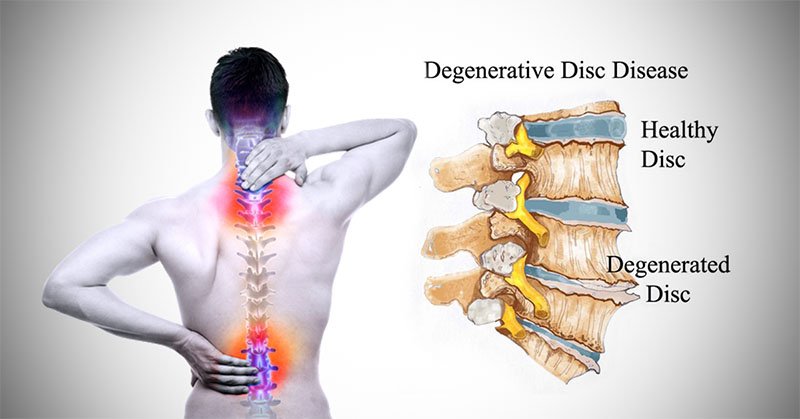
- Slip disc and sciatica
- Sports injuries
- Ligament and tendon injuries
- Fractures and dislocations
- Shoulder stiffness and frozen shoulder
- Hip, ankle, and foot problems
- Osteoporosis and other bone conditions
An orthopaedic specialist evaluates the symptoms, identifies possible causes, and recommends suitable treatment based on the patient’s condition.
8 Signs You Should Visit an Orthopaedic Clinic
Certain symptoms deserve medical attention, particularly when they persist, return frequently, or interfere with daily activities.
1. Persistent Joint Pain
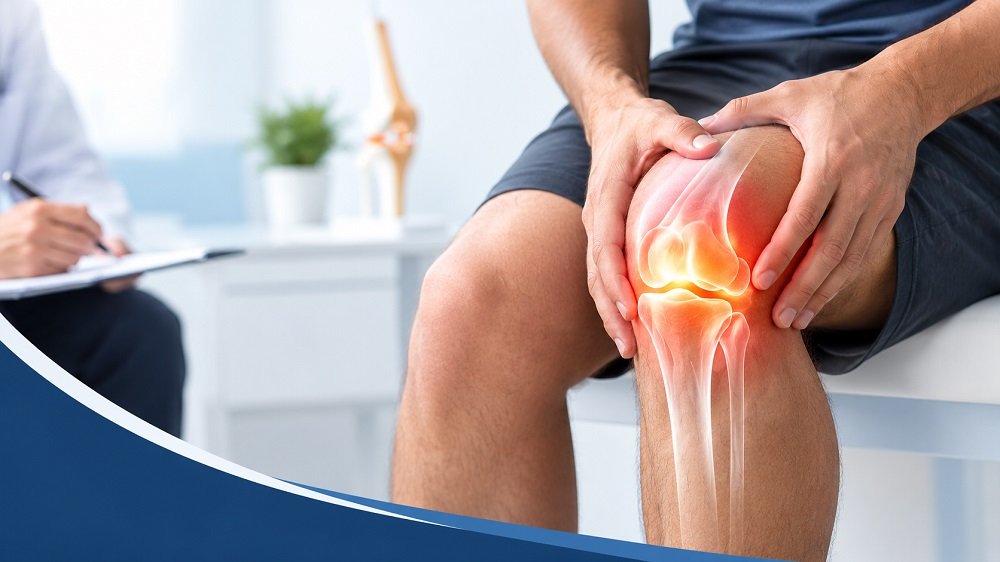
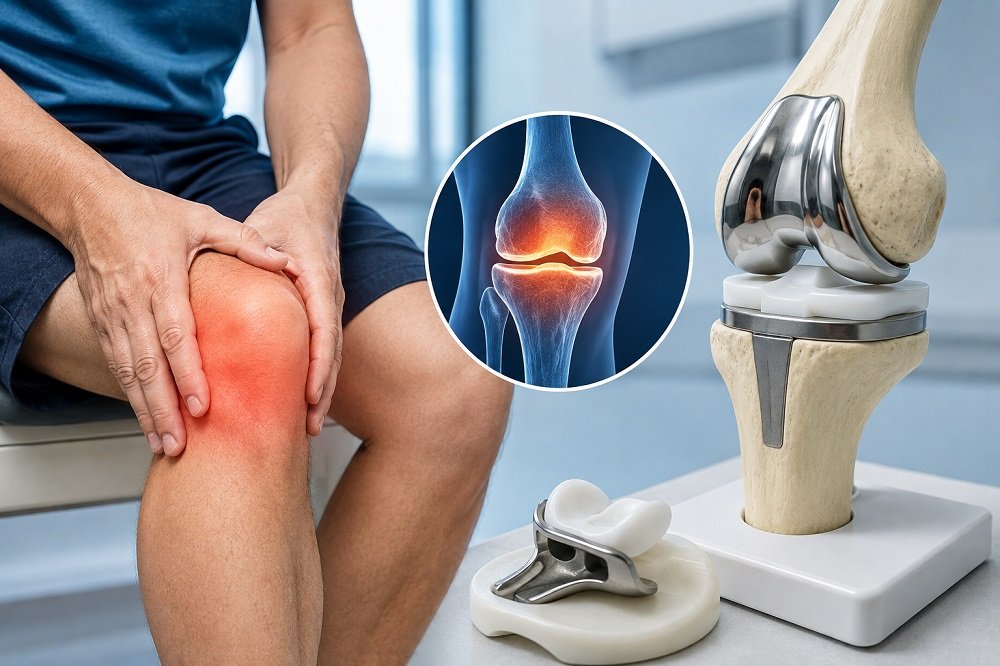
Joint pain can develop because of arthritis, injuries, inflammation, or overuse. You may notice discomfort in your knees, shoulders, hips, wrists, or ankles.
Consider an orthopaedic consultation if:
- Pain continues for several days or keeps returning.
- Joint discomfort affects walking or daily activities.
- You experience pain while climbing stairs.
- Rest does not provide sufficient relief.
- The joint feels stiff after periods of inactivity.
A specialist can examine the affected joint and recommend appropriate investigations or treatment.
2. Difficulty Walking or Climbing Stairs
Difficulty walking, standing for long periods, or climbing stairs may indicate a problem involving the joints, muscles, or nerves.
Knee osteoarthritis, ligament injuries, hip problems, and certain spine conditions can affect mobility. Do not ignore a noticeable change in your walking pattern, especially when pain or weakness accompanies it.
3. Persistent Back or Neck Pain
Back and neck pain may result from muscle strain, poor posture, disc problems, or age-related changes in the spine.
Seek medical advice if you experience:
- Back pain that keeps returning
- Neck stiffness that limits movement
- Pain spreading from the back into the leg
- Tingling or numbness in the arms or legs
- Pain that interferes with sleep or routine activities
A Best Orthopaedic in Dwarka search may help you identify a suitable specialist, but make sure you check the doctor’s qualifications and experience with your specific condition.
Sudden weakness, loss of bladder or bowel control, or numbness around the groin requires urgent medical assessment.
4. Sports Injuries
Sports and physical activities can sometimes cause sprains, ligament tears, muscle injuries, and fractures. An injury may cause swelling, tenderness, bruising, or difficulty moving the affected area.
Do not return to strenuous activity simply because the initial pain has reduced. A proper assessment can help determine the extent of the injury and guide rehabilitation.
5. Joint Swelling or Stiffness
Swelling around a joint can occur after an injury or because of inflammation and other medical conditions. Stiffness may make it difficult to bend the knee, raise the arm, or move the affected joint comfortably.
A suddenly swollen, hot, and very painful joint, especially with fever, needs prompt medical evaluation.
6. Repeated Muscle or Tendon Pain
Repeated pain in the muscles or tendons may develop because of overuse, poor movement patterns, or an underlying musculoskeletal problem.
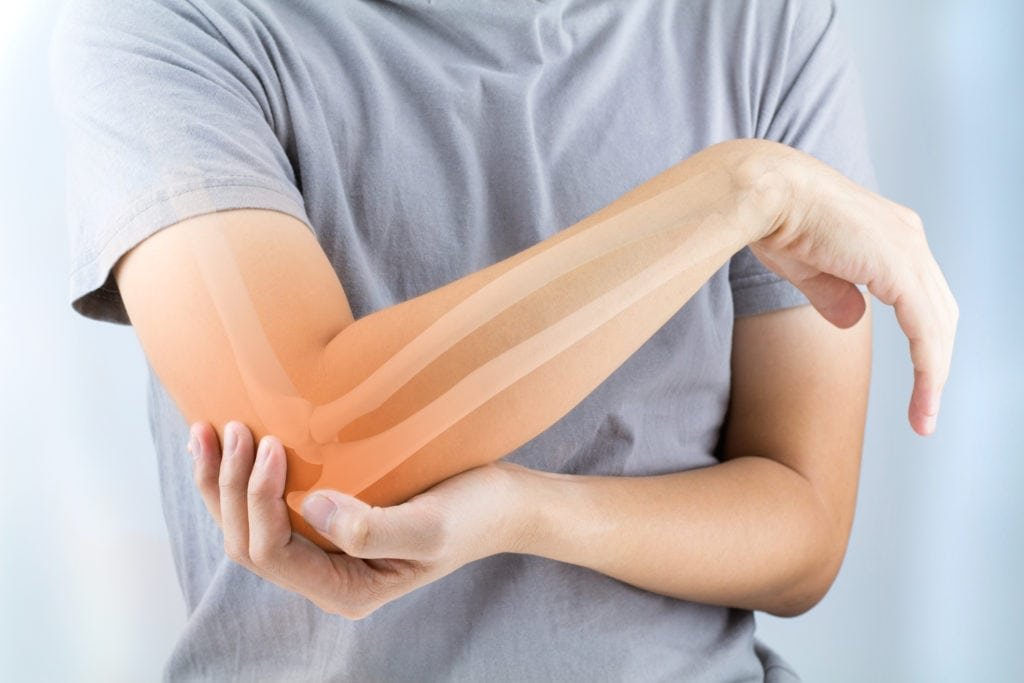
Conditions such as tennis elbow, rotator cuff injuries, and tendon inflammation can interfere with work, exercise, and household activities.
An orthopaedic specialist can help identify the source of discomfort and advise whether rest, physiotherapy, medication, or another treatment approach may help.
7. Fractures or Suspected Bone Injuries
A fall, road accident, or sports injury can cause a fracture. Common warning signs include severe pain, swelling, bruising, deformity, and difficulty using the injured limb.
Suspected fractures need prompt medical assessment. Avoid putting weight on an injured limb or trying to straighten a visibly deformed area. Seek emergency care if the injury is severe or involves an open wound.
8. Pain That Interferes With Daily Life
Pain that affects sleep, work, exercise, or routine movement deserves attention. Even if the discomfort does not feel severe, repeated limitations can affect quality of life.
A timely consultation can help identify the cause and prevent unnecessary delays in treatment.
Common Orthopaedic Conditions That Need Medical Attention
Some musculoskeletal conditions develop gradually, while others begin after an injury.
Arthritis: This condition can cause joint pain, stiffness, and reduced movement. Symptoms may become more noticeable with age or joint use.
Slip disc: A spinal disc may bulge or herniate and irritate nearby nerves, sometimes causing back pain, leg pain, tingling, or numbness.
Frozen shoulder: This condition causes shoulder pain and progressive stiffness, making movements such as reaching overhead difficult.
ACL injury: Damage to the anterior cruciate ligament can cause knee pain, swelling, instability, and difficulty returning to sports.
Osteoporosis: Reduced bone strength can increase the risk of fractures, sometimes after a minor fall.
The right treatment depends on the diagnosis, severity, and individual health factors.
What Happens During an Orthopaedic Consultation?
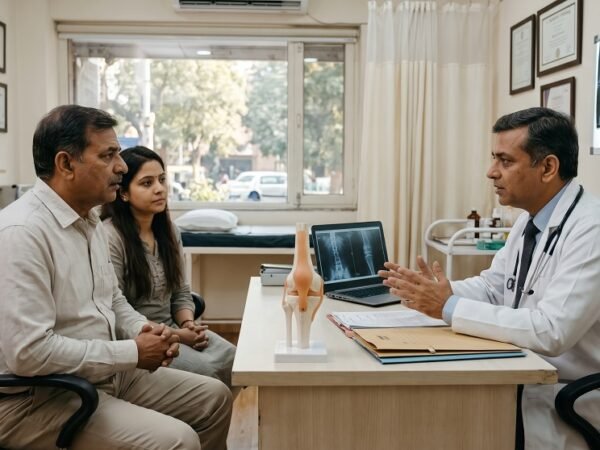
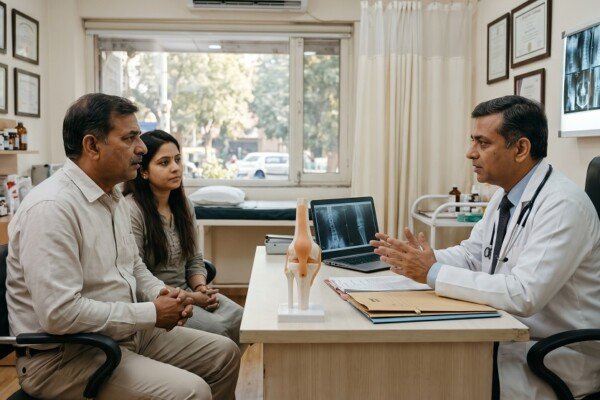
An orthopaedic consultation usually begins with a discussion about your symptoms, medical history, and daily activities. The doctor may ask when the pain started, what makes it worse, and whether you have experienced an injury.
The evaluation may include:
- Medical history: The doctor reviews your symptoms, previous injuries, and relevant health conditions.
- Physical examination: The specialist checks joint movement, swelling, tenderness, muscle strength, and stability.
- Diagnostic tests: Depending on the findings, the doctor may recommend X-rays, MRI scans, CT scans, or blood tests.
- Treatment planning: The specialist discusses suitable treatment options and follow-up requirements.
Not every patient needs surgery. Many orthopaedic conditions can be managed with non-surgical approaches such as medication, physiotherapy, activity modification, and guided rehabilitation.
How to Choose an Orthopaedic Clinic in Dwarka
Choosing the right clinic involves more than looking at location or online ratings. Consider the following points before scheduling an appointment:
- Check the doctor’s medical qualifications and relevant orthopaedic training.
- Look for experience related to your specific condition.
- Choose a clinic where the doctor explains the diagnosis and treatment options clearly.
- Ask about the need for investigations and follow-up visits.
- Understand the benefits, limitations, and risks of recommended treatments.
- Check whether rehabilitation or physiotherapy guidance forms part of the treatment plan when needed.
Patients looking for The Neo Orthopaedic Clinic in Dwarka can consult the clinic to discuss their orthopaedic concerns and understand the next steps for evaluation.
Orthopaedic Care at The Neo Orthopaedic Clinic
The Neo Orthopaedic Clinic, led by Dr. Ashu Consul, is located in Sector 6, Dwarka, New Delhi. Dr. Ashu Consul’s qualifications include MBBS, MS Orthopaedics, and M.Ch Orthopaedics, along with research fellowship experience in arthroscopy through ICMR.
Patients can seek consultation for bone, joint, spine, and sports-related concerns. The appropriate treatment depends on the clinical assessment and the patient’s individual needs.
If you are searching for the Best Orthopaedic in Dwarka, consider discussing your symptoms with a qualified specialist rather than delaying care or relying only on self-treatment.
Frequently Asked Questions
1. When should I visit an orthopaedic clinic?
Visit an orthopaedic clinic if you have persistent joint pain, recurring back pain, swelling, restricted movement, sports injuries, or difficulty walking. Severe injuries and sudden neurological symptoms need urgent medical attention.
2. Do all orthopaedic problems require surgery?
No. Many conditions improve with non-surgical treatment, including medication, physiotherapy, rehabilitation, and lifestyle changes. Surgery may be considered when other options are unsuitable or do not provide adequate relief.
3. Should I visit an orthopaedic doctor for knee pain?
Yes, especially if knee pain persists, returns frequently, causes swelling, or affects walking and stair climbing. A specialist can assess whether arthritis, an injury, or another condition is responsible.
4. What tests may an orthopaedic doctor recommend?
Depending on your symptoms, the doctor may recommend an X-ray, MRI, CT scan, or blood tests. The choice depends on the suspected condition and examination findings.
5. Can poor posture cause back and neck pain?
Yes. Poor posture and prolonged sitting can contribute to muscle strain and discomfort. However, persistent pain may have other causes and should be evaluated when it does not improve.
6. Where is The Neo Orthopaedic Clinic located?
The Neo Orthopaedic Clinic is located at 31-A, Pocket 2, behind Sector 6 Main Market, Sector 6, Dwarka, New Delhi – 110075.
Conclusion
Persistent joint pain, back problems, sports injuries, swelling, and restricted movement are signs that you may need an orthopaedic evaluation. Early assessment can help identify the underlying condition and guide appropriate treatment before symptoms interfere further with daily activities.
If you are looking for The Neo Orthopaedic Clinic in Dwarka, consider scheduling a consultation to discuss your symptoms and treatment options. A qualified orthopaedic specialist can help you understand your condition and make informed decisions about your bone, joint, and spine health.